
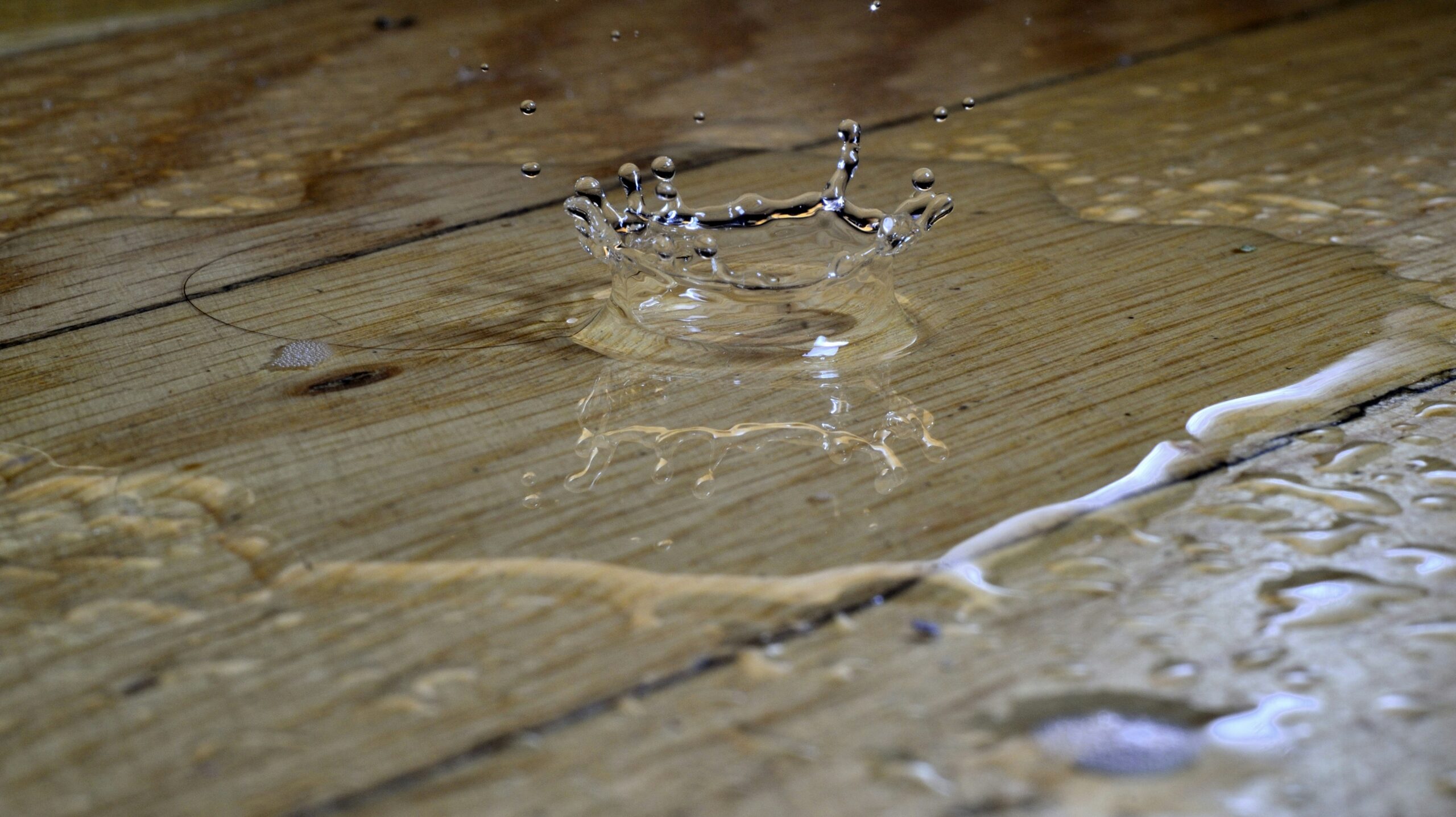
Today’s storm was heavy enough to find the weak spots in a lot of Utah County houses. If yours took on water, you have roughly a day to handle it before the problem changes into something bigger.
EPA guidance is that water-damaged areas and materials need to be dried within 24 to 48 hours to prevent mold growth. Dry them inside that timeframe and mold won’t grow in most cases. If you wait a week, you may have a mold problem sitting on top of your water problem.
Sources: EPA EPA
Walk your house tonight or tomorrow morning. Most homeowners never go looking for the evidence after a storm, which is why the damage usually gets found months later during maintenance or a remodel.
Where to Look After a Storm
Walk the house within a day of heavy rain and check:
- Windows and doorways. Staining, bubbling paint, or soft drywall below the sill.
- Window wells and egress windows. A plugged drainage area can turn your window well into a bucket. This is the most common way storm water reaches a finished basement in Utah County.
- Basement walls and floor. Where the wall meets the slab, in corners, and behind anything stored against an exterior wall.
- Top floor ceilings. A brown ring or sag means the roof or a vent penetration is leaking.
- The ground next to your foundation. Standing water there is a warning sign even if nothing is showing indoors.
Steps to Take if You Find Water
1. Document it. Photograph the damage before you clean, wide and close, and note the date. You can’t recreate that record later if this becomes an insurance or builder warranty conversation.
2. Dry it out. This is the step that prevents mold. Get the water up and get air moving. Fans and dehumidifiers speed things up, but only use them if it is safe to use electricity in that area. Pull up soaked carpet and pad so both sides dry.
Sources: EPA
If you clean with bleach, keep it diluted. CDC guidance is no more than one cup of household bleach per gallon of water. Never mix bleach with ammonia or other cleaners, because that produces a poisonous gas. Bleach cleans a hard surface. It does not fix wet drywall, insulation, or subfloor. Porous materials that get moldy often have to be replaced, and painting over a moldy surface just causes the paint to peel.
Sources: CDC, National Mold Authority
3. Find the source. Water travels, so work backward from the wet spot toward the highest point of the moisture trail. Usual suspects: clogged gutters, downspouts dumping at the foundation, grade sloping toward the house, plugged window well drains, failed flashing or caulk, storm damage to the roof, and foundation cracks that might only leak under pressure from saturated soil.
4. Fix it correctly. Repair the water path first, the finished surfaces second. Patching drywall without addressing the source means the same wall will fail during the next heavy rain.
Why Utah County Homes Get Hit
Monsoon season typically runs in the late summer, when afternoon thunderstorms are most frequent and most severe. Utah’s dry, compacted soil (especially this year) sheds a lot of that rain instead of absorbing it, and most homes here have a large below-grade surface for that runoff to press against.
What Needs a Contractor
CDC guidance is that once mold covers more than about ten square feet, consider bringing in a professional. Call someone if you cannot find the source, if framing or insulation got wet, if water has come in during more than one storm, or if the repair involves the roof, foundation, or exterior flashing.
Source: CDC
Frequently Asked Questions
How fast does mold grow after a leak?
In most cases mold will not grow if wet items are dried within 24 to 48 hours. Past that, growth becomes likely.
Source: CDC
Do I need a mold test?
Not usually. There’s no standard for acceptable levels of mold, and any porous surface that got wet needs to be replaced or properly treated. You don’t need to test what’s getting thrown out!
Why does my basement only leak during heavy rain?
The leak can depend on pressure. Saturated soil pushes water through joints that stay dry the rest of the year, which may point to drainage issues outside the house.
Is water in my window well normal?
During a downpour, yes. Water still standing after the storm passes means the drainage layer is plugged or was never installed correctly.
Related Reading
Get It Looked At
If you found water after today’s storm and can’t tell where it came from, give us a call. We’ll come take a look and give you a free estimate. Renew Construction works throughout Utah County, including Lehi, Orem, Provo, American Fork, Saratoga Springs, Eagle Mountain, Spanish Fork, Springville, and the surrounding communities.
Business Hours
At Renew Construction, we are dedicated to providing exceptional service. Our team is here to assist you with your construction needs during. We invite you to reach out and discuss your project with us!
Mon-Sat
8:00 AM – 8:00 PM
Sunday
closed